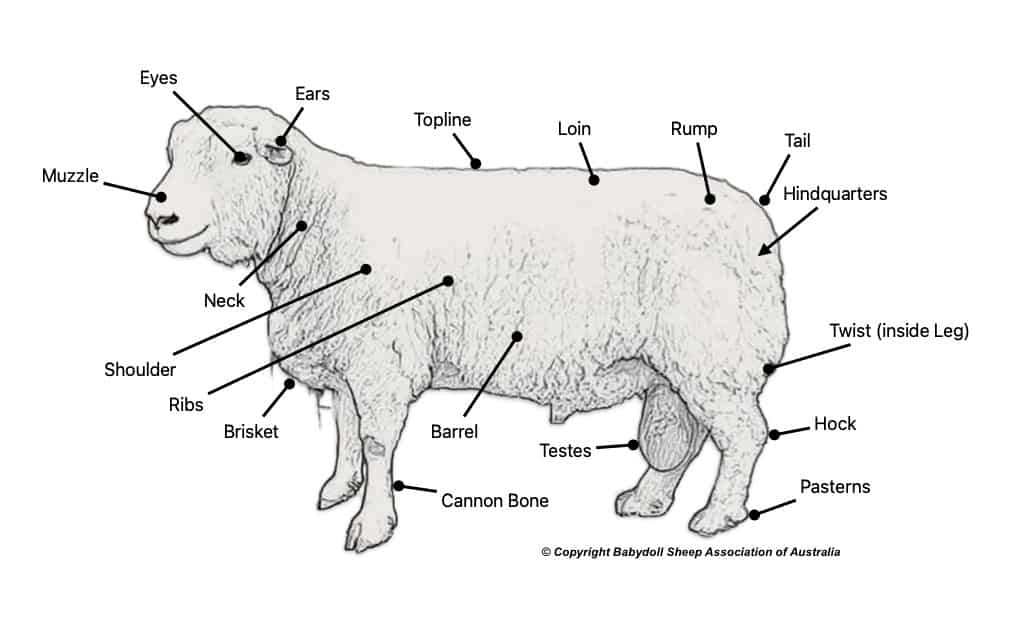
Babydoll Sheep Breed Standard
The Australian Stud Sheep Breeders Association (ASSBA) Breed Description for Babydoll Sheep
Conformation: Head
ASSBA Definition
Wide and level between the ears, with no sign of a dark poll.
Explaination
This means: The head should be wide and fairly flat between the ears, with no horns or dark spots where horns might grow, since Babydolls are a naturally hornless (polled) breed. There should be a wide expanse between the eyes.
Additional Information
Conformation: Muzzle and Face
ASSBA Definition
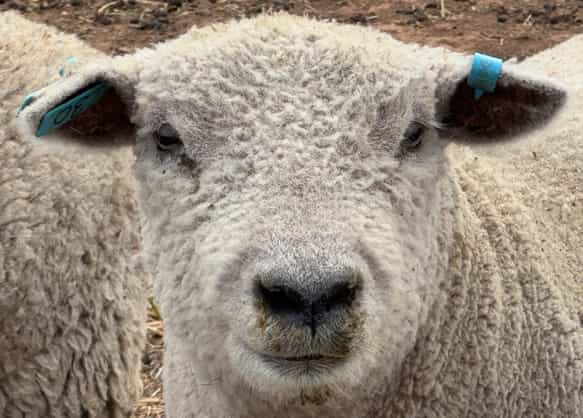
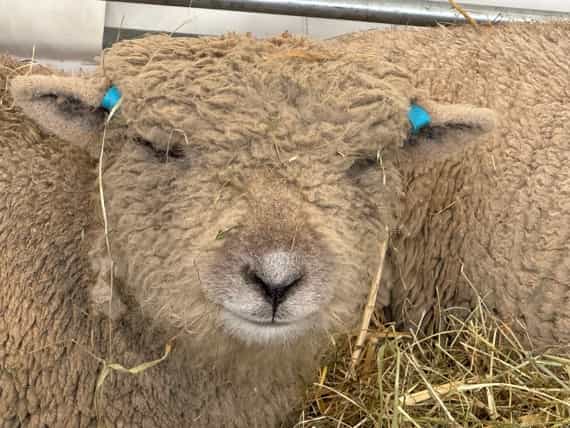
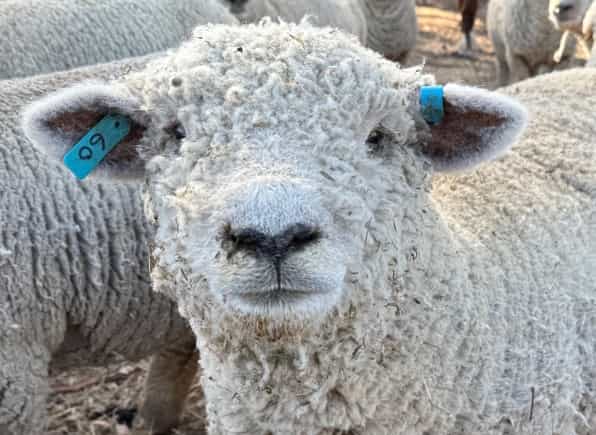
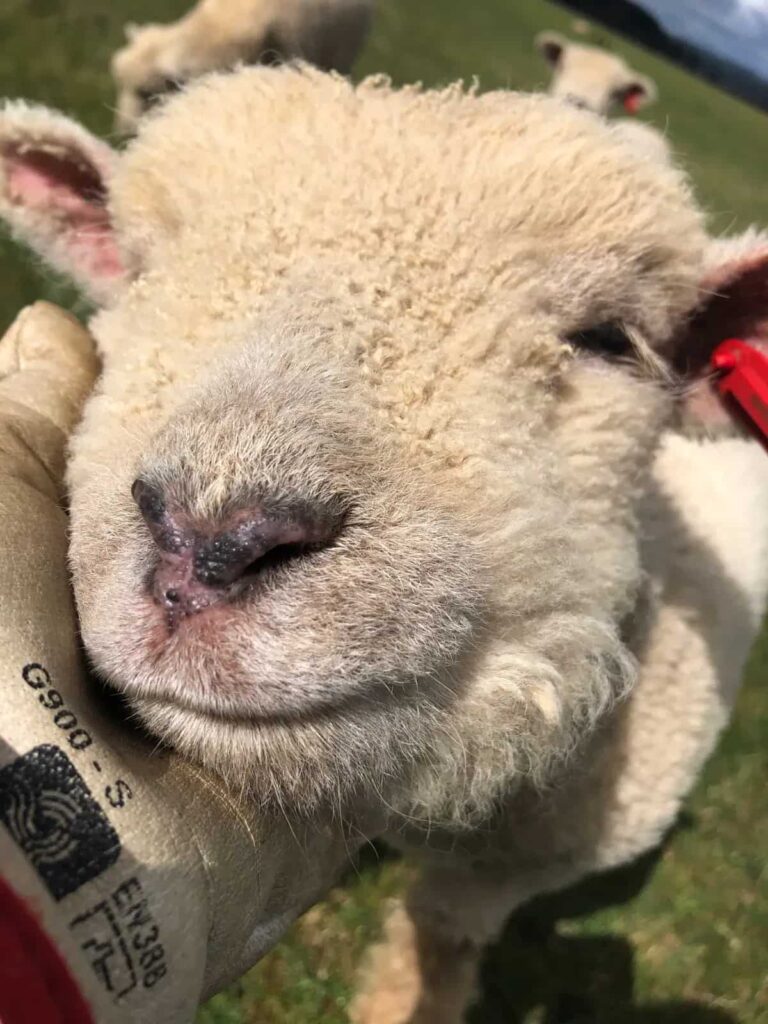
Full, not too long from eyes to nose. The fleece and hair on the muzzle should be even coloured from very light to cinnamon or mousey grey, ideally covering the entire muzzle, extending from the corners of the mouth to a rounded point between the eyes. The fleece should not be so long as to obstruct vision.
Explaination
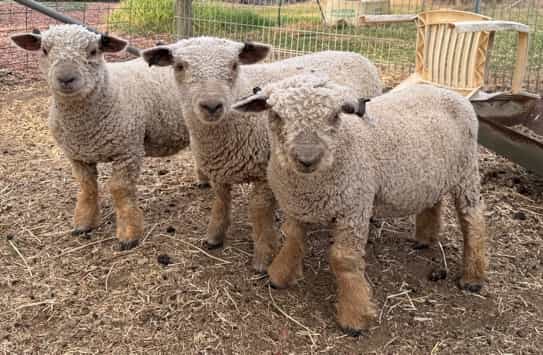
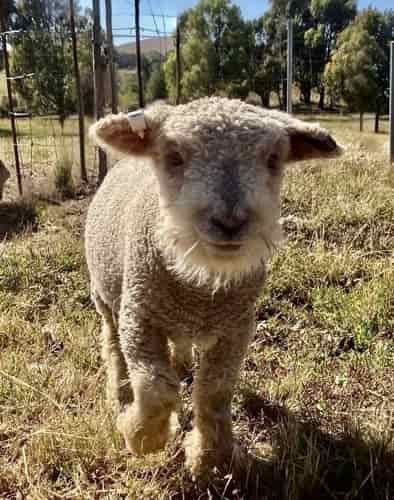
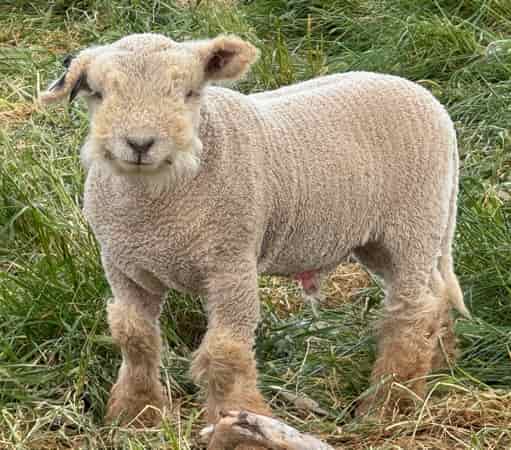
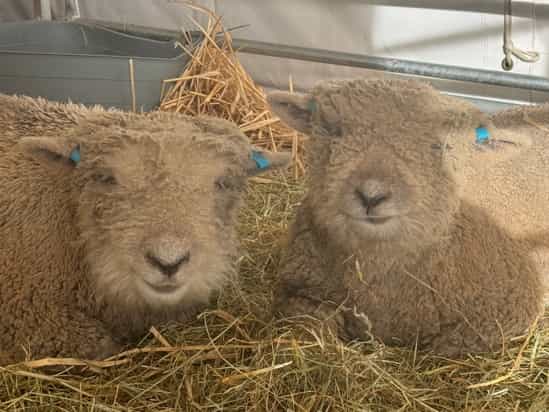
This means: There should be a short but wide muzzle area between the eyes and nose. The colour can vary, but it should never be bright white; that’s a sign of crossbreeding. Any bright white fleece on a Babydoll is a disqualification. Lambs are born with darker faces and legs, but this usually lightens as they mature.
Additional Information
Over-Shot or Under-Shot Jaw
Conformation: Eyes and Ears
ASSBA Definition
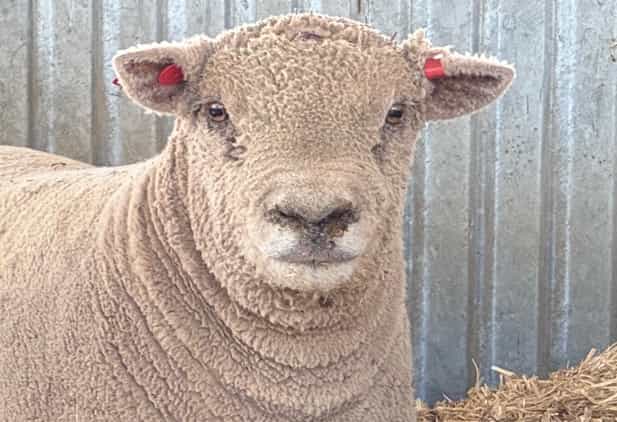
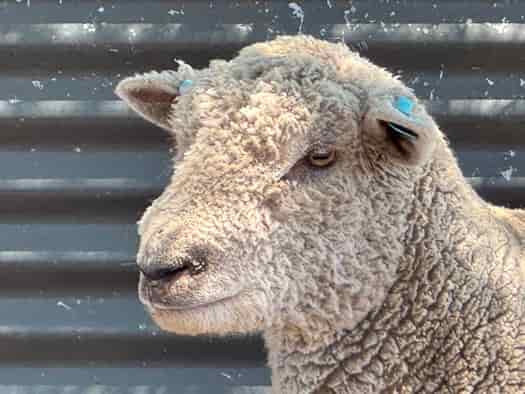
Eyes: Large and bright.
Ears: Set level with the head and of medium size, covered with short wool.
Explaination
Eyes: The colour of Babydoll eyes vary in shade from yellow to brown.
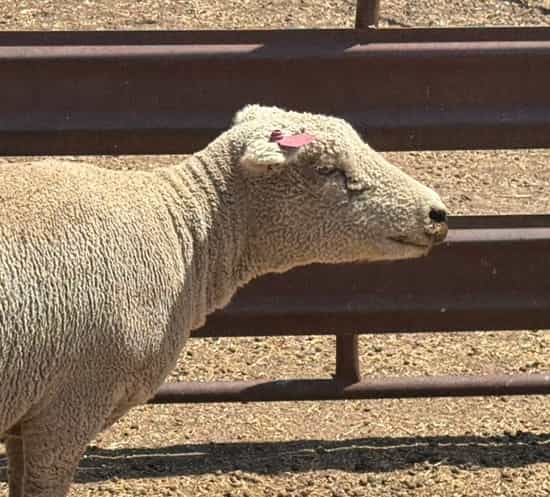
Ears: The ears should be of medium thickness. It’s okay if the wool on them is mixed with some hair. The ears should sit level with the top of the head, not sticking up or drooping down. It’s also normal for the ear skin to have dark speckles.
Conformation: Neck
ASSBA Definition
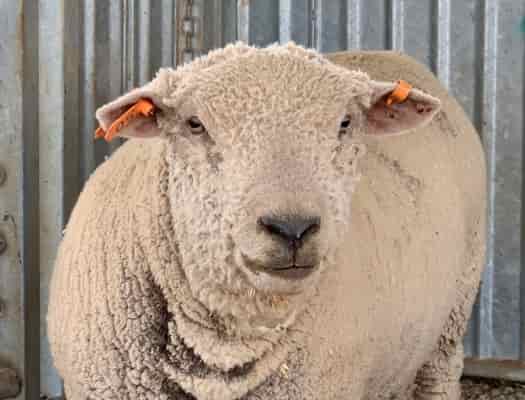
Wide at the base, short, strong and well set on shoulder
Explaination
This means: A Babydoll’s neck should be short and smoothly connect to the shoulders. A short neck is one of the most defining characteristics of a Babydoll sheep.
Additional Information
Conformation: Legs
ASSBA Definition
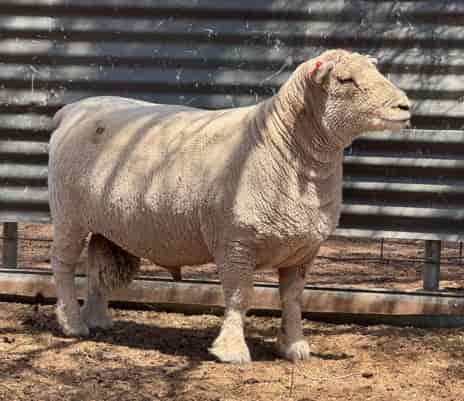
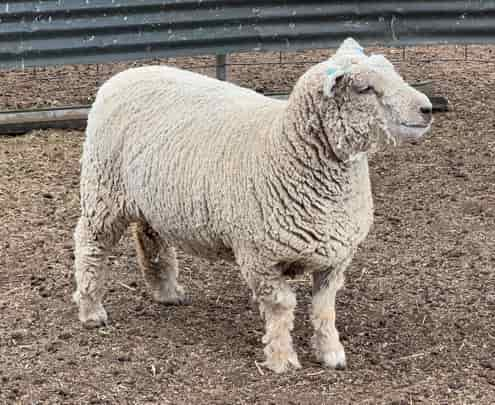
Forelegs should be short and well placed at the corners. Hindlegs should be short, full and well-let down. Lower leg fleece colour is similar to muzzle colour and extending from the feet to the knees where it meets the body fleece.
Explaination
This means: Legs should be short, with a wide, square stance that helps the sheep move in a balanced way. The front legs should be straight, not bent inward (knock-kneed), and the back legs should also be straight, not angled inward at the joints (called cow-hocked). “Well-let down” means the hock (the joint above the hoof on the back leg) is close to the ground, which gives better muscle and meat in the lower leg. The hooves should be dark, although some may have lighter stripes. Fully light-coloured hooves are not allowed. The hooves should be pointing straight ahead, not inwards or splayed out.
Additional Information
Short legs are an important, defining characteristics of Babydoll sheep. Any Babydoll with long legs would probably be disqualified in the show ring. One big disadvantage of having short legs is that Babydoll ewes can often cast (get stuck on their backs) when too fat or pregnant. They can die if they are not found in time as they eventually suffocate.
Conformation: Chest and Shoulders
ASSBA Definition
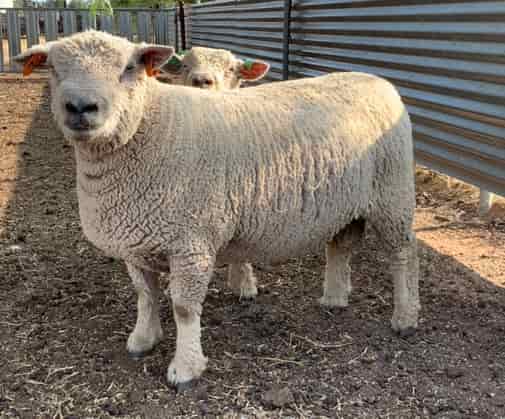
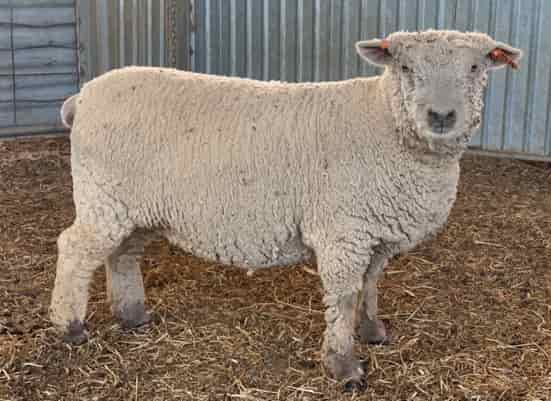
Chest: wide and deep
Shoulders: Well-laid into the ribs and level to the back.
The width at the shoulders should be less than the width at the hips to facilitate easy lambing.
Explaination
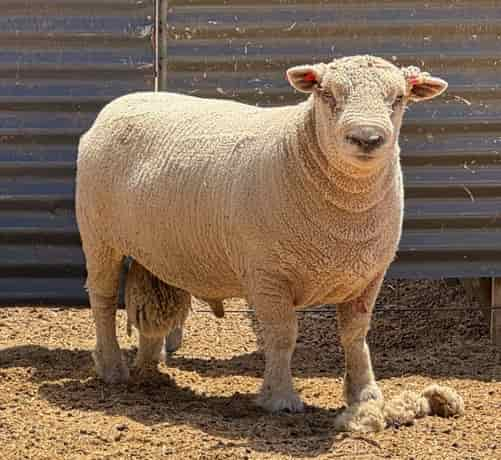
This means: The chest should be broad and have a good depth. The shoulders should flow smoothly into the body, both along the ribs and the back, keeping a nice straight line across the top.
They shouldn’t stick up above the back but should look like a natural part of the body. When looking down from above, the shoulders should be narrower than the hips.
Additional Information
Conformation: Loin, Ribs and Rump
ASSBA Definition
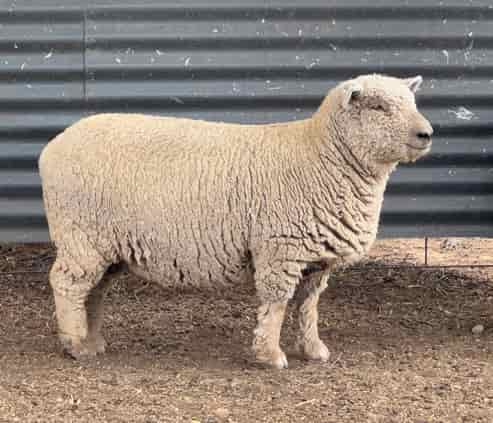
Loin: long, wide and thick
Ribs: deep and wide, thick though the heart girth and well-sprung
Rump: Wide and of medium length with only a slight slope of the croup
Explaination
This means: A Babydoll sheep should be a well-built, solid little sheep. Since the Southdown breed was originally raised for meat, it’s important that the sheep can provide good cuts of meat and muscle is the key to this.
The Babydoll sheep should be deep, wide, and muscular, but not overly fatty. The Babydoll should have a solid, square stance, wide-based and not narrow or weak legged.
Additional Information

Conformation: Tail and Hind Saddle
ASSBA Definition
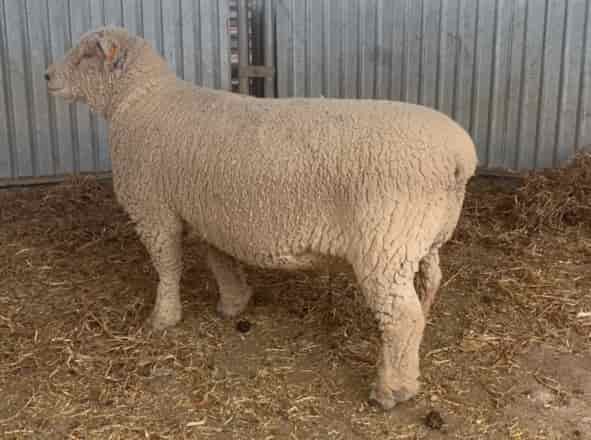
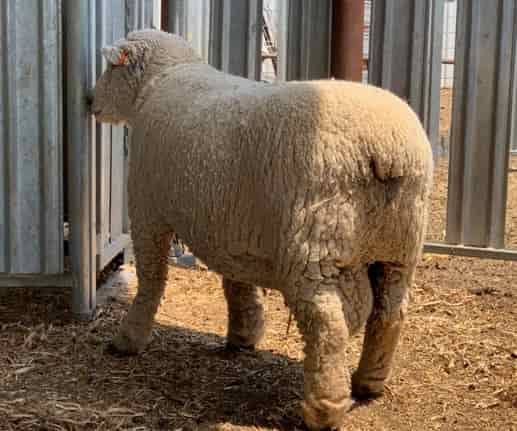
Tail: Wide and set high on a line almost level with the topline when standing in a natural, alert stance.
Hind Saddle: Full and well-muscled with a deep, wide muscling through the twist and legs.
Explaination
This means: The tail should be wide and set fairly-high.
The hind saddle refers to the area at the back of the sheep, and like the rest of the "meat parts," it should be full and muscular. The "twist" refers to the muscling on the back of the rear legs, from the tail to the crotch, when viewed from the side. The Babydolls rear legs should be broad, nicely rounded with good muscle. The Babydoll’s rear end should be deep and rounded.
Additional Information
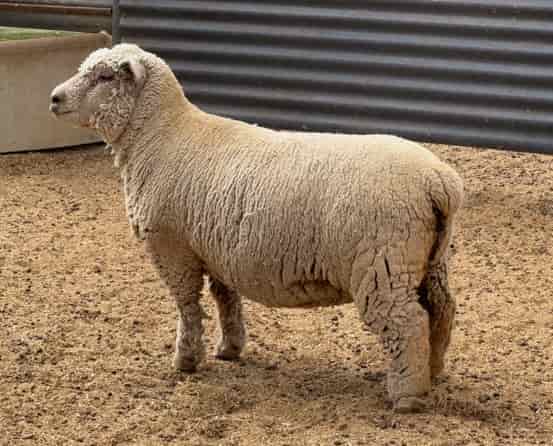
Conformation: Skin and Fleece
ASSBA Definition
Skin: A healthy pink
Fleece: Fine, tight and dense with a medium to medium-fine, soft and springy crimp.
Explaination
This means: The Babydoll's fleece is off-white. When born, the fibres on the lamb's muzzle and legs can range from light tan to cinnamon to a greyish colour. Adult sheep should have no brown or black fibres.
Additional Information
A bright white fleece is a disqualification for Babydolls because it indicates that there may have been some crossbreeding in the sheep's ancestry.
Somatic mutations (black patches, spots or a few fibres on a new-born lamb) are considered to be a minor fault because they will disappear as the lamb matures. Once the black fibres have disappeared, the lamb can be registered with ASSBA.
Conformation: Height
ASSBA Definition
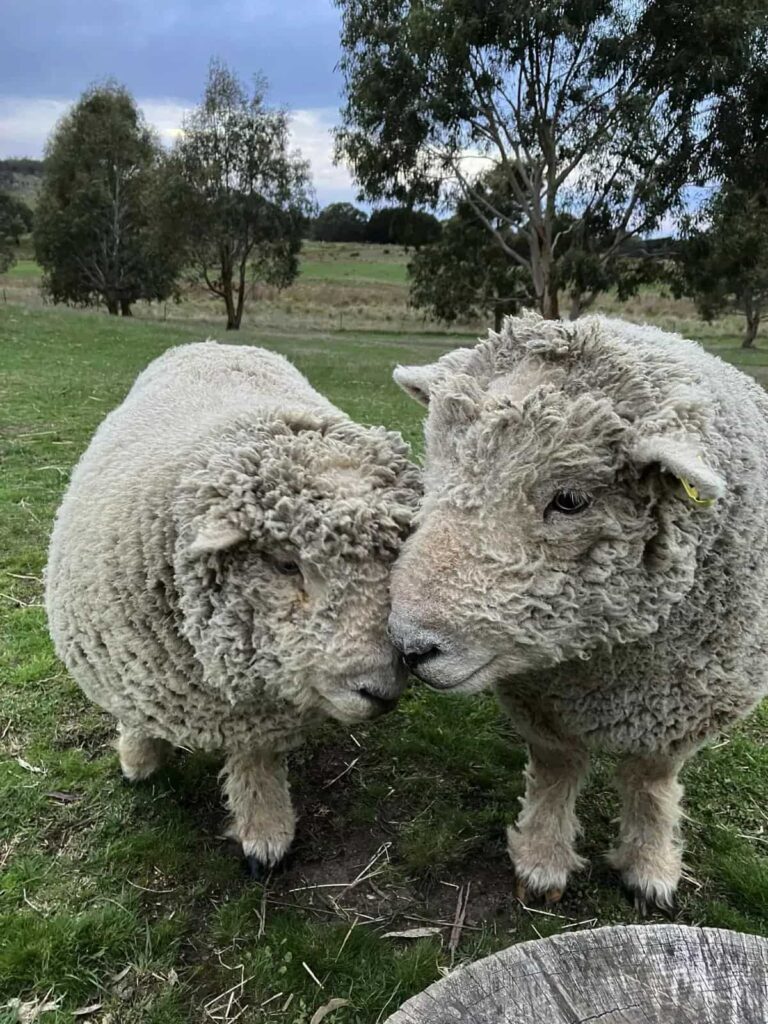
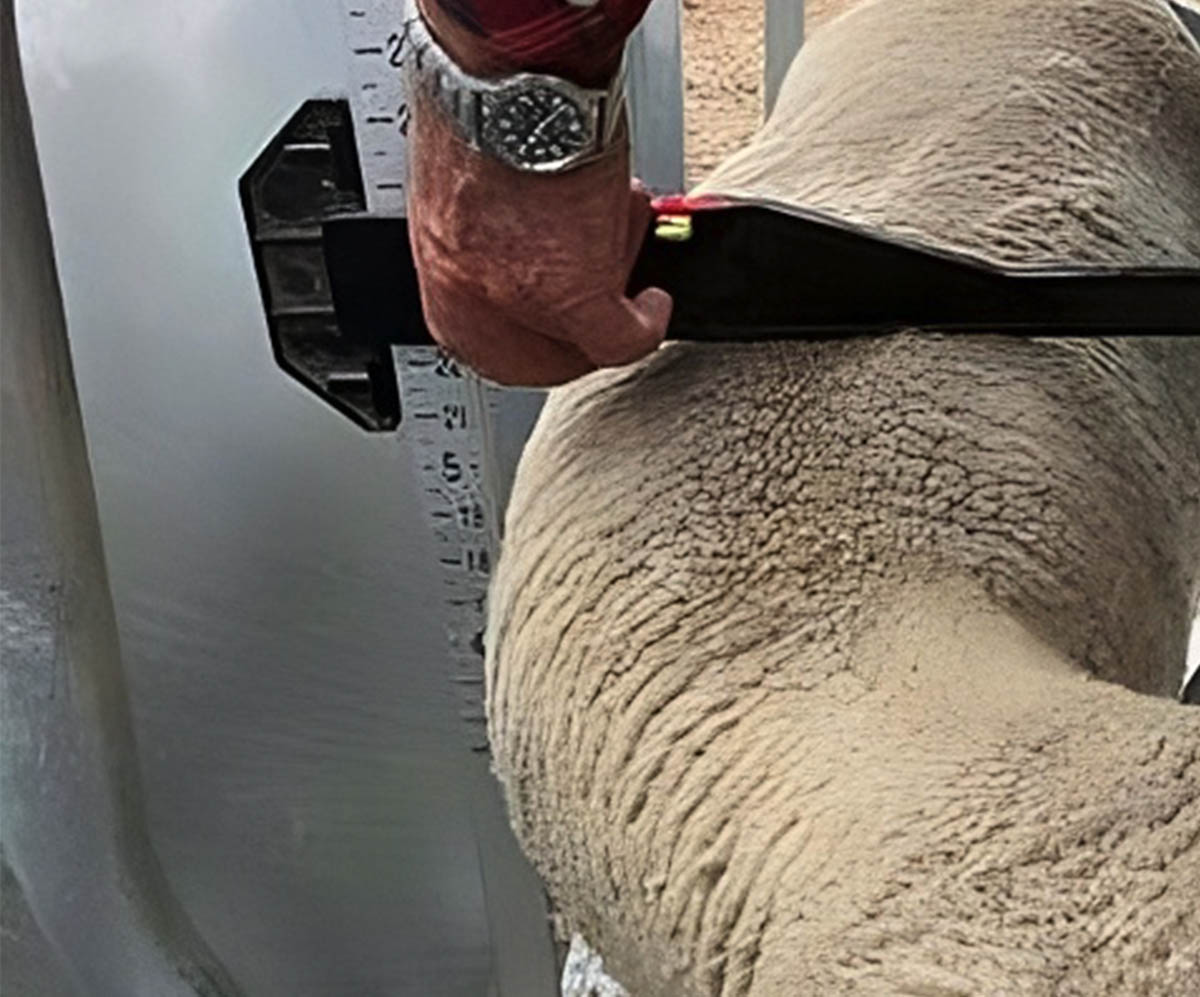
Height: All measurements are taken at the highest point of the middle of the shoulder and perpendicular to the ground of a shorn sheep. Adult sheep should be between 45cm and 61cm.
Explaination
This means: The easiest way to measure a Babydoll sheep’s height is by using a pony or miniature horse measuring stick. Make sure the Babydoll is standing on a flat, even surface. If you're measuring a lamb that hasn’t been shorn, remember to account for the extra height from the wool. Hold the measuring stick straight up and down and rest the horizontal arm gently on the sheep’s shoulder and you can read the height of the sheep on the measuring stick.
Additional Information
It’s important to be cautious when breeding. If the ewe is too small and the ram is significantly larger, it can lead to birthing complications due to the size of the lambs.
Conformation: Rams and Ewes
ASSBA Definition
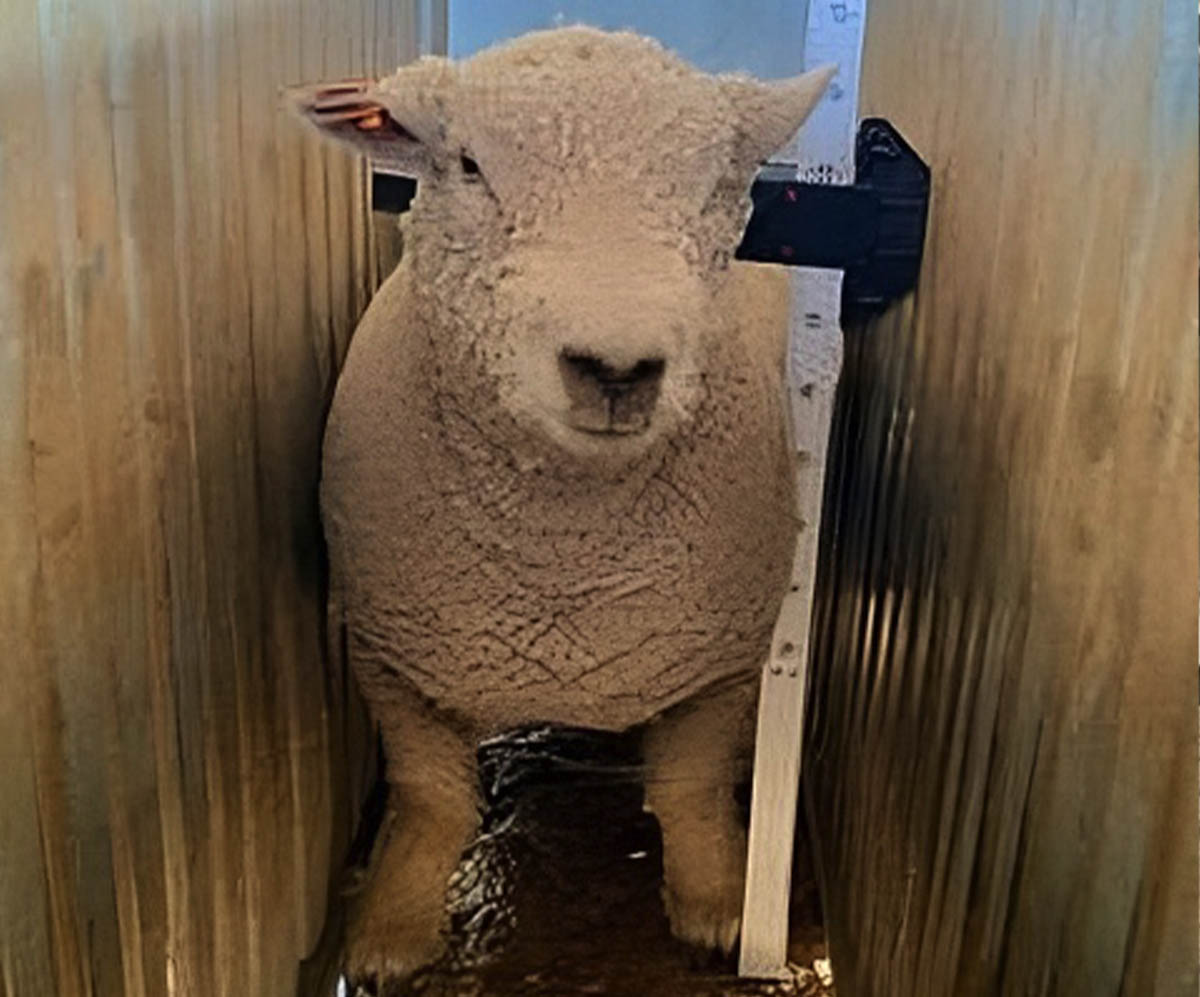
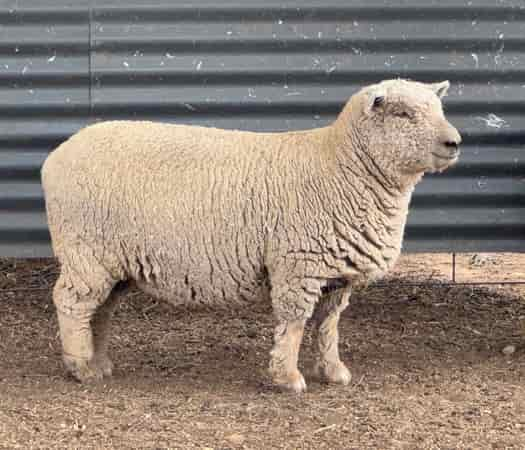
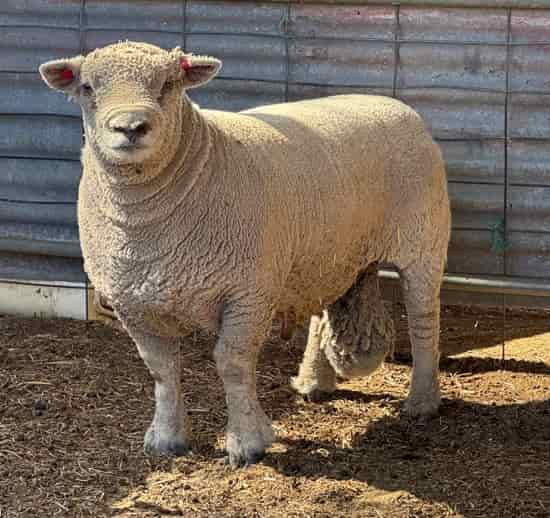
Rams: should look more masculine and are usually larger than the ewes. They must have both testicles descended.
Ewes: Ewes should have a broad, well attached but not pendulous udder with two teats.
Explaination
This means: Ewes should have a feminine appearance. The ewe’s udder should be firmly attached and not hanging low or swinging around. In older ewes, the udder can sag closer to the ground, which makes it harder for lambs to suckle.
Rams should appear masculine and must have two well-developed testicles that can be clearly felt. It’s essential to check for this when purchasing a ram, regardless of his age.
Gently feel both sides of the scrotum, starting at the top and moving downward, to make sure both testicles are present and properly descended.
Both testicles should also be about the same size, and the overall size of the scrotum should match the ram’s size. Larger scrotums generally mean higher sperm production.
Before breeding, the ram’s scrotal circumference should be at least 28 cm; ideally 30 cm and weigh at least 200 grams. Also check for any sores or scabs on the scrotum, as these could be signs of Brucellosis.
There may be some wool loss in this area but it’s probably from lying on the ground.
Additional Information
Even if you castrate the one descended testicle, they shouldn’t be sold as wethers (castrated males). This is because they still produce testosterone and may behave like rams which wouldn’t be fair to someone expecting a calm, easy-going wether.
Some people have had success with surgery, but it's costly and risky since sheep don’t always handle anesthesia well.
Glossary
No matter what kind of sheep you’re raising, there are certain features to look for that help judge the quality of the animal. The list below gives general guidelines—there may be some differences in opinion, but it will help you know what to look for in Babydoll sheep.
Reference: Long, Murray. "Breeding Stud Sheep." Landlinks Press. Collingwood, Vic 2008